
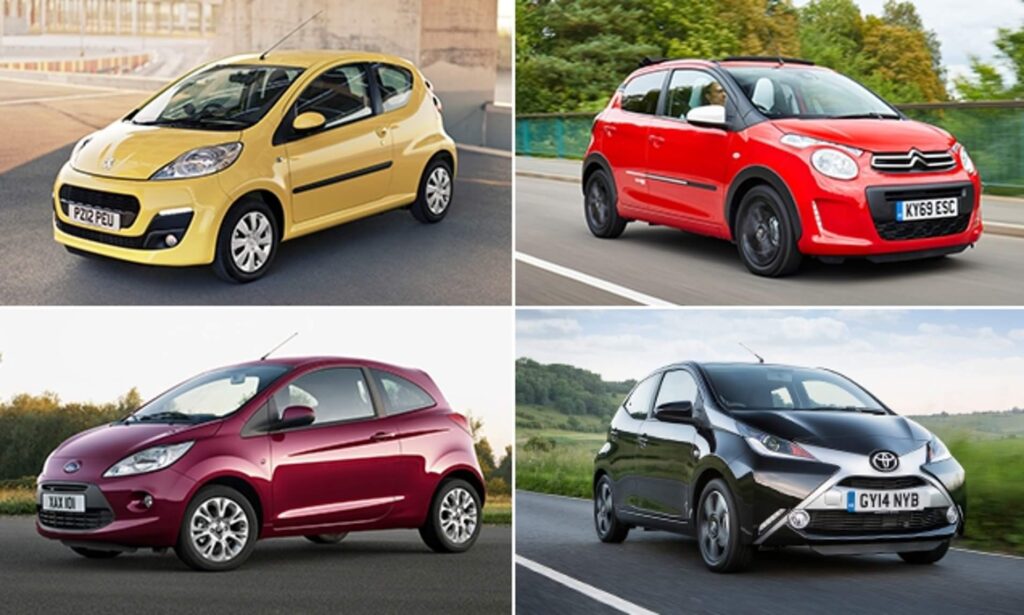
Choosing the right car can play a significant role in how insurers assess risk and price insurance policies. In the UK, vehicles are placed into insurance groups based on factors such as engine size, performance, safety features, repair costs, and theft risk. In 2025, with insurance premiums remaining high for many drivers, understanding which cars are often associated with lower insurance costs can help drivers make more informed decisions.
This guide explains how insurance groups work, what characteristics insurers typically consider lower risk, and highlights car models commonly linked to lower insurance premiums in the UK.
How Car Insurance Groups Work in the UK
UK cars are categorised into insurance groups ranging from 1 to 50. Group 1 vehicles are generally the least expensive to insure, while Group 50 vehicles are typically the most expensive.
Insurers consider multiple factors when assigning a car to an insurance group, including:
- Engine size and power output
- Acceleration and top speed
- Vehicle value and repair costs
- Availability and cost of replacement parts
- Safety features and crash-test ratings
- Security features and theft statistics
Cars placed in lower insurance groups are often smaller, less powerful, and cheaper to repair, which can reduce overall insurer risk.

Characteristics of Cars Often Linked to Lower Insurance Costs
While no car guarantees low premiums, vehicles with the following traits are commonly associated with lower insurance groups:
Smaller Engine Sizes
Cars with engines between 1.0L and 1.2L are often viewed as lower risk due to reduced performance and lower accident severity.
Lower Purchase and Repair Costs
Affordable vehicles with widely available parts are typically cheaper to repair, which insurers factor into pricing.
Strong Safety Features
Modern safety systems such as automatic emergency braking, lane assist, and multiple airbags may positively influence insurance group placement.
Lower Theft Risk
Cars with factory-fitted immobilisers and lower theft rates may be assessed as less risky.
Car Models Commonly Associated With Lower Insurance Groups
The following cars are frequently linked to lower insurance costs in the UK, depending on engine size and specification. Exact premiums will still vary by driver profile and insurer.
Toyota Aygo
The Toyota Aygo is a popular choice for drivers seeking affordability. Its small engine, lightweight design, and strong reliability record often place it in low insurance groups.
Hyundai i10
Known for practicality and safety features, the Hyundai i10 combines modest engine options with low running costs, making it a common choice for drivers prioritising insurance affordability.
Volkswagen Up!
The VW Up! is often associated with low insurance groups due to its compact size, efficient engines, and solid safety credentials.
Kia Picanto
With competitive pricing and a strong warranty, the Kia Picanto is frequently considered by drivers looking for vehicles linked to lower insurance costs.
Ford Fiesta (Lower Engine Variants)
Smaller-engine versions of the Ford Fiesta are commonly insured at lower costs compared to higher-performance trims. Its widespread availability also helps keep repair costs manageable.
Electric and Hybrid Cars: Insurance Considerations
Electric and hybrid vehicles are becoming more common in the UK, but insurance pricing can vary.
Potential advantages:
- Strong safety technology
- Lower accident severity due to limited performance
Potential considerations:
- Higher repair costs
- Specialist parts and trained technicians
Smaller electric vehicles may still fall into moderate insurance groups, but premiums should always be compared carefully.
Why Trim Level and Specification Matter
Even within the same model, insurance costs can differ. Changes in trim level, engine power, or added technology may affect insurance group placement.
For example:
- A base 1.0L petrol model may be cheaper to insure than a sport trim
- Alloy wheels or performance upgrades can influence repair costs
- Advanced driver assistance systems may affect risk assessment
Checking the exact model specification is essential before purchasing a vehicle.
Other Factors That Influence Insurance Costs
While car choice is important, insurers also consider:
- Driver age and experience
- Postcode and parking arrangements
- Annual mileage
- Driving history and claims record
- Level of cover selected
A low-group car does not guarantee low premiums if other risk factors are present.
Comparing Insurance Options
Insurance prices can vary widely between providers for the same vehicle and driver profile. Comparing multiple policies helps drivers understand differences in cover, excess levels, and included features.
When comparing quotes, it’s important to review policy wording carefully and ensure details are declared accurately.